What causes the many side effects and adverse reactions of chemotherapy?
Chemotherapy destroys cancer cells and many other rapidly dividing cells which causes most of the side effects and adverse reactions.
What are the two adverse reactions of chemotherapy?
- neutropenia
- thrombocytopenia
Most clients will continue with chemo treatment since the alternative is dying from cancer.
What are the common side effects of chemotherapy?
- nausea/vomiting
- diarrhea
- stomatitis
- alopecia (hair loss)
Nursing considerations:
Chemotherapy: neutropenia
Neutropenic precautions - the client is at risk of getting an infection and needs to be in a private room:
- no fresh fruits or flowers in room
- fresh water for drinking
- avoid ill people
- meticulous hand hygiene and wear gloves
- no live vaccines
- avoid invasive procedures
- fruits and vegetables need to be washed and cooked before eating
- assess for signs and symptoms of infection - WBC count and temperature
Nursing considerations:
Chemotherapy: thrombocytopenia
Bleeding precautions:
- no straining
- no nail clippers
- use electric shaver
- no anticoagulants or antiplatelets meds
- limit invasive procedures
- assess platelets
- prevent falls
Nursing considerations:
Chemotherapy: nausea and vomiting
- replace fluids
- monitor fluids and electrolytes
- give antiemetics
Nursing considerations:
Chemotherapy: diarrhea
- replace fluids
- monitor fluids and electrolytes
- give antidiarrheals
- avoid foods that are irritating such as caffeine and fiber
Nursing considerations:
Chemotherapy: stomatitis
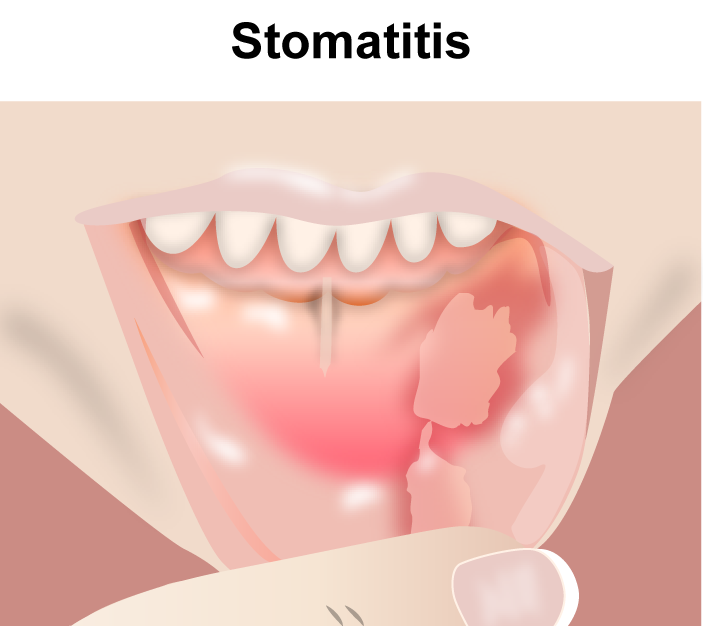
- provide oral hygiene
- avoid alcohol mouth wash
- administer nystatin
Nursing considerations:
Chemotherapy: alopecia

- get fitted for a wig
- wear head wraps
- provide gentle hair care
Indication:
epoetin (erythropoietin)
Hematopoietic agent
- to increase red blood cells
- to treat anemia with chronic renal failure, HIV, and chemotherapy
Nursing considerations:
epoetin (erythropoietin)
Monitor hemoglobin and hematocrit to evaluate effectiveness.
Indication:
ferrous sulfate (iron)
Vitamin supplement - to treat dietary anemia.
Nursing considerations:
ferrous sulfate (iron)
- take with vitamin C for better absorption (such as orange juice)
- teach that may cause constipation - encourage fluids/fiber/walking
- can cause stools to be dark and mask sign of blood
- if taking liquid, use straw as it may stain teeth
Which medication is given to prevent an infection while a client undergoes chemotherapy?
filgrastim
Mechanism of action:
filgrastim
Stimulates production of neutrophils.
Which medication is given to increase RBCs?
epoetin
Adverse reactions and nursing considerations:
filgrastim
Bleeding and infection: assess for these.
Adverse reactions and nursing considerations:
epoetin
Blood clots and seizures: assess BP, chest pain and neuro status.