Adult Respiratory Emergencies Flashcards

Explore the signs/symptoms and treatments of Adult Respiratory Emergencies (52 cards)

1
Q

What happens when the lungs fail to work?

Hint: CO2

A

Carbon dioxide (CO2) accumulates in the blood.

CO2 combines with water to form hydrogen ions.
An accumulation of hydrogen ions results in acidosis.

2
Q

What are the causes of impaired ventilation?

A
  • upper airway obstruction: foreign body, infection, trauma.
  • lower airway obstruction: disease, mucus, edema.
  • chest wall impairment: flail chest, pneumonia, restrictive condition (Eg. scoliosis).
  • neuromuscular impairment: Lou Gehrig’s disease, overdose.
3
Q

Define:

Guillain-Barré Syndrome

A

Progressive muscle weakness and paralysis that moves from the feet to the head.

4
Q

Define:

Pickwickian Syndrome

A

Obesity Hypoventilation Syndrome

OHS

  • Caused by obesity, chronic hypercapnia, and sleep apnea, which results in constant low levels of oxygen and high levels of carbon dioxide.
  • Do not lay the patient flat if at all possible.

5
Q

Fill in the blank:

A serious injury to the spinal cord above _____ may block the nerve impulses that stimulate breathing.

A

C5

6
Q

Define:

Botulism

A

It is acquired by giving infants raw honey.

Can cause muscle paralysis and ultimately hinder breathing and is very rare in typical populations.

7
Q

What effect do alcohol, narcotics, and opiates have on the respiratory drive?

A

They reduce the respiratory drive.

8
Q

What causes hyperventilation within the body?

A

It occurs when rapid or deep breathing lowers CO2 levels in the blood, causing respiratory alkalosis.

  • Capnography will typically reveal decreased values (end tidal CO2 < 40 mmHg) on the monitor.
  • blood pH > 7.40
  • Symptoms: peripheral numbness/tingling, dizziness, muscle spasms

9
Q

What causes hypoventilation within the body?

A

It occurs when breathing is too shallow or slow, leading to acidosis within the blood as a result of retaining CO2.

10
Q

What causes respiratory alkalosis?

A

It is caused by hyperventilation that results in numbness and tingling in the hands, feet, and mouth.

11
Q

Define:

Carpopedal spasm

A

Hands and feet are clenched like a claw due to hyperventilation.
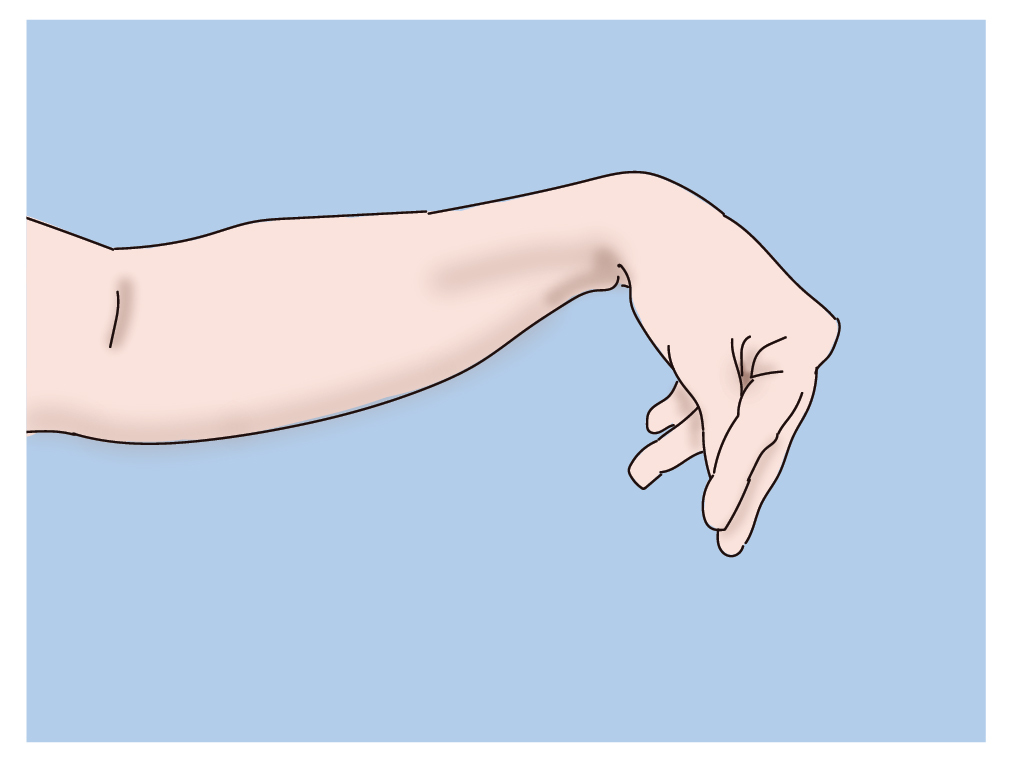
Trousseau's Sign
12
Q

Why breathing into a bag is bad?

A
  1. Rebreathing too much carbon dioxide can cause hypoxia.
  2. The hyperventilation may be compensatory and does not need to be fixed.
13
Q

What causes hyperventilation?

A
  • internal or external stressors
  • psychological
14
Q

List examples of psychological support for hyperventilation.

A
  • Breathe with the pt and count to two between breaths.
  • Talk to the pt or sing a song.
  • Reassure the pt that you are there for them.
  • Make a detailed assessment to rule out illness or injury.
15
Q

What is the function of turbinates?

A

Trap a particulate matter within the nasal passages.

  • Network of bones, vessels, and tissue within the nasal passageways that are highly vascular and covered in mucus.
  • The large surface area allows air to be warmed and humidified.

16
Q

What causes Angioedema?

A

ACE inhibitors and allergic reactions.

Vascular reactions that are characterized by swelling of the eyes, lips, and mouth.

17
Q

Where is the Hypopharynx located?

A

Below the oropharynx

18
Q

Define:

Larynx

A

It protects the lower airways and is responsible for audible sounds.

Otherwise known as the “voice box”.

19
Q

Define:

Polycythemia

A

Thick blood.

COPD patients generate a surplus of RBCs that cause strain on the right side of the heart due to the blood trying to push through tiny capillaries.

20
Q

Define:

Cor pulmonale

A

Right-side heart failure.

Caused by chronic lung disease.

21
Q

Give examples of restrictive lung diseases.

A
  • Kyphosis
  • Lordosis
  • Scoliosis

Limits air movement.

22
Q

What causes purulent sputum?

23
Q

What causes a clear or white sputum?

24
Q

What does an antitussive do?

A

Cough suppressant

Use cautiously in patients with productive cough, as coughing clears secretions. May be helpful in dry or irritating coughs.

25
# Treatment aspiration
* suction * OG/NG tube * airway control
26
# Define: Poiseuille's Law
It describes how **resistance to airflow increases** dramatically as the **diameter of an airway decreases**. ## Footnote Resistance is inversely proportional to the radius to the fourth power (r⁴), meaning even a small reduction in airway size greatly increases resistance.
27
# Define: Laryngotracheobronchitis
Known as **croup**, inflammation of larynx, trachea, and bronchi.
28
List examples of **upper airway inflammation**.
* croup * epiglottitis * peritonsillar abscess * diphtheria * enlarged tonsils
29
What is **croup**?
**Barking** or **seal cough** caused by viral infection. ## Footnote Typical for ages between 6 months to 3 years.
30
What is **Epiglottitis?**
Inflammation of the epiglottis. ## Footnote Usually caused by an infection, sore throat, fever, hoarseness, and hyperextension of the neck.
31
# Define: aspiration
Inhalation of anything other than air. ## Footnote Causes pneumonitis and pneumonia. Aspiration of stomach contents increases mortality significantly.
32
# Define: obstructive lower airway disease
asthma ## Footnote Increase I/E ratio to allow proper exhalation.
33
# Define: pneumothorax
**Air collects** between visceral and parietal pleura.
34
# Define: bleb
Weak spot in the lung causing spontaneous pneumothorax. ## Footnote Coughing or lifting.
35
# Define: pleural effusion
Accumulation of fluid between **visceral** and **parietal** pleura.
36
# Define: pulmonary embolism
**Blood clot** in the lungs.
37
What causes **pulmonary embolism**?
Embolism: * **fat**: broken bone * **amniotic**: during labor * **air**: neck laceration
38
What is the **Homan's sign** for high-risk **PE**?
**Calf pain** due to thrombophlebitis.
39
# Define: cape cyanosis
Profuse **cyanosis** of the: * face * neck * chest * back ## Footnote Despite good ventilation and compression.
40
# Define: cystic fibrosis
Inherited disorder that produces copious amounts of **thick mucus** in the respiratory and digestive tracts.
41
# Define: Pertussis
"Whooping cough"
42
What causes **blood-streaked sputum**?
* tumor * tuberculosis * pulmonary edema * trauma * excessive coughing
43
What causes **pink-frothy sputum**?
Congestive heart failure. ## Footnote Left-sided heart failure causing pulmonary edema may also be a classis cause of pink-frothy sputum.
44
What **three** things occur during an **asthma attack**?
* Bronchospasm * Bronchial edema * Increased mucus production.
45
# Treatment Asthma
* Albuterol: **aerosol bronchodilators** * Atrovent: **anticholinergic bronchodilator** * Methylprednisolone: **corticosteroids**
46
# Define: Chronic Bronchitis
**Excessive mucus production** and a chronic productive cough.
47
Name some **assessment findings** of **COPD**.
* **lung sounds**: wheezing * **HR**: tachycardic * **RR**: increased * **EtCO2**: shark-fin; increased
48
# Treatment COPD
* oxygen * Albuterol/Atrovent * Methylprednisolone * Terbutaline * Magnesium sulfate * CPAP, if needed
49
# Define: spacer
An **attachment for the MDI** that increases the amount of medication delivered.
50
Name some **assessment findings** of **pulmonary edema**.
* lung sounds: crackles/rhonchi * hypertension * shortness of breath * productive cough with excess mucus
51
# Treatment pulmonary edema
* CPAP * vasodilators (if indicated) * oxygen * diuretics ## Footnote **Atrovent/Albuterol** if wheezing is present. The treatment focuses on forcing the fluid back into the vessels and opening them so that fluid can be pushed back in.
52
Name some **assessment findings** of **pulmonary embolism**.
* sudden shortness of breath * cape cyanosis * chest pain * Unresolved cyanosis with oxygen therapy.